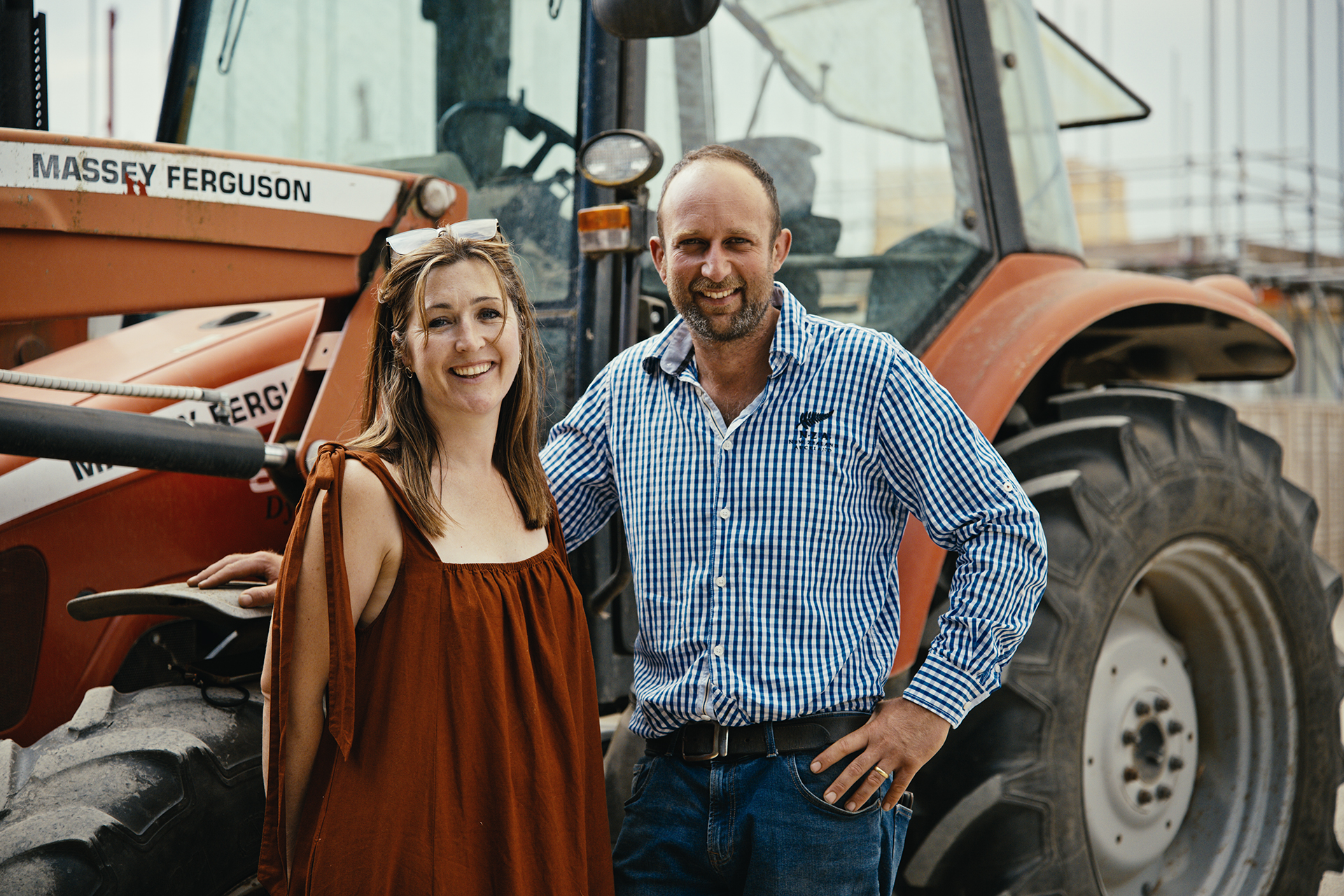




Fifteen years of farming, several changes of plan, plenty of muddy boots and one very long-held dream of making a home on the farm.

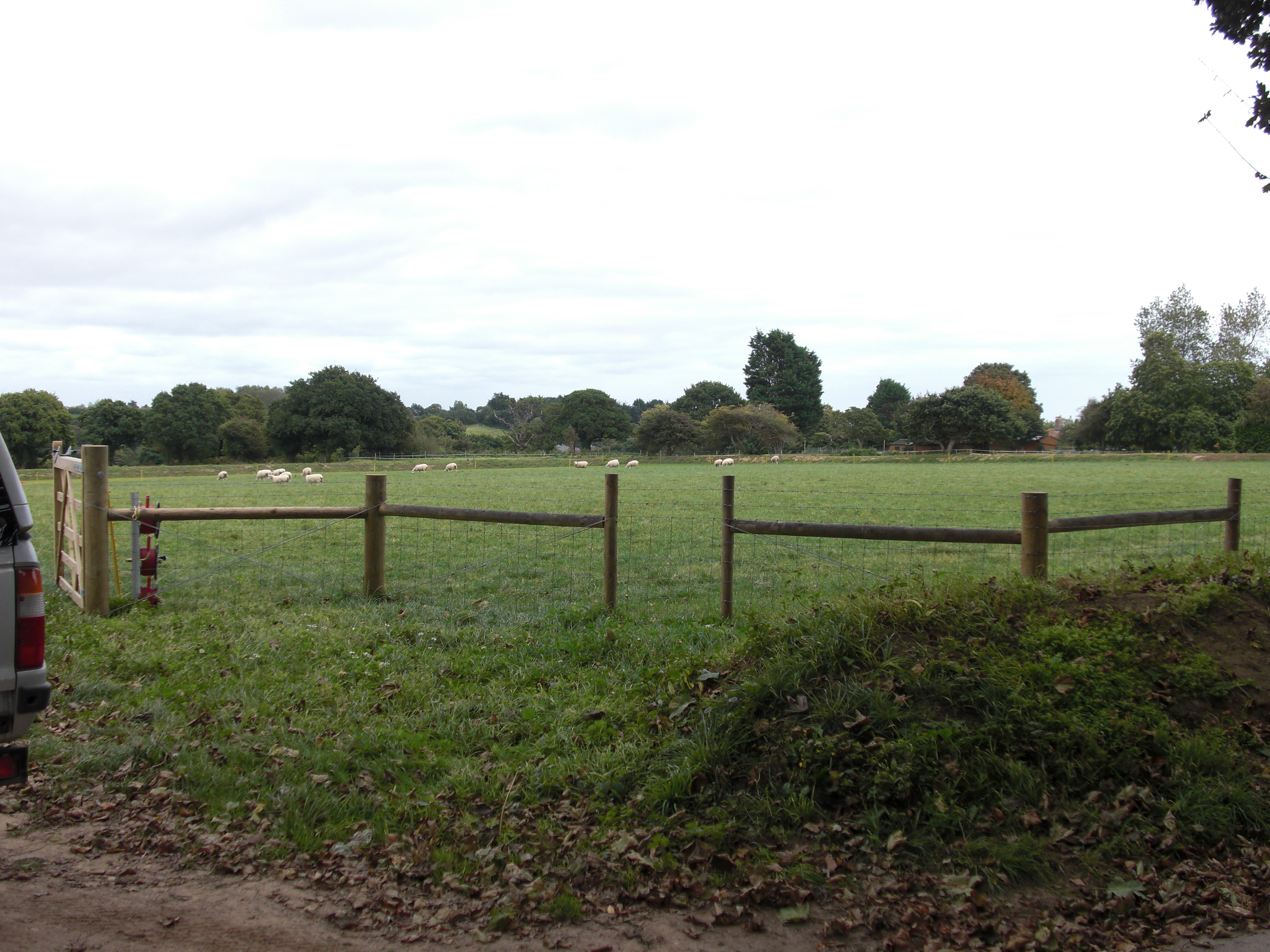
Laurent had wanted to be a farmer for as long as he could remember. As a boy he helped on his grandparents’ farm, then worked on local dairy and poultry farms through school, college and university before coming home to Jersey with a degree in Agriculture and Land Management and, rather more importantly, a piece of family land on which he could finally have a go himself. Potage Farm started simply: twenty Texel sheep, a chicken house for 2,000 hens and a repurposed shipping container that doubled as office, shelter and somewhere to thaw out when the weather turned. There was plenty of enthusiasm, very little money and a tendency to acquire animals whether they were strictly necessary or not.
The eggs were meant to be the easy bit. Laurent collected them, dropped them at a cooperative farm down the road and got paid. Then the rules changed and suddenly he was grading, packing, branding, selling and delivering them himself. Before long there was a second chicken house and Laurent’s face had been printed rather prominently on the delivery van, which was excellent for business, if slightly less ideal when he fancied leaving it outside the pub overnight.

Paris came to Jersey planning to stay for about a month. She had finished a degree in Tourism Marketing and Management and thought teaching in Greece might be next. Jersey was a stopgap, so she found a job at L'Auberge in St John and assumed she would be gone again fairly quickly.
She met Laurent in her first week and, somewhere along the way, Greece quietly disappeared from the plan.
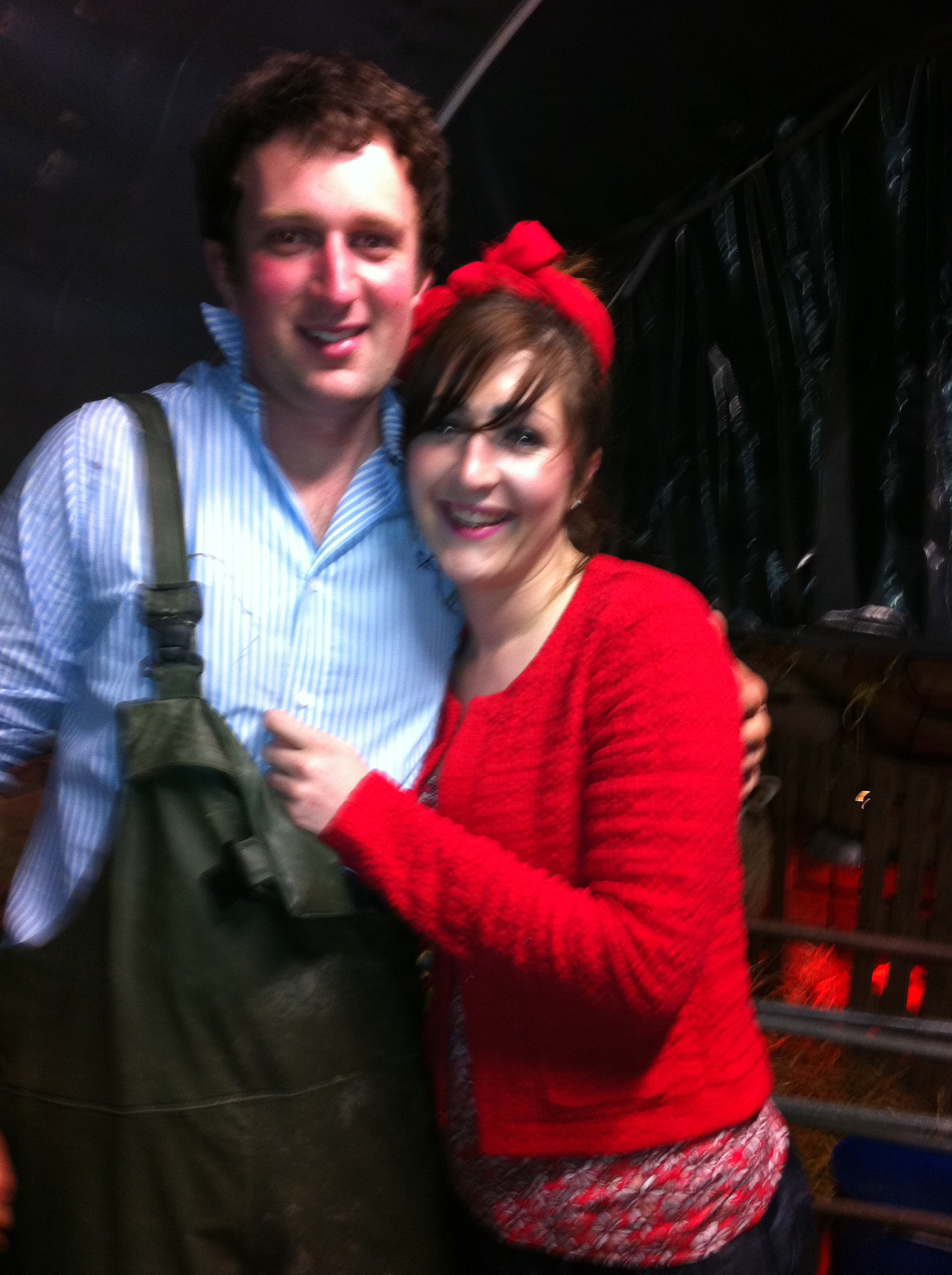


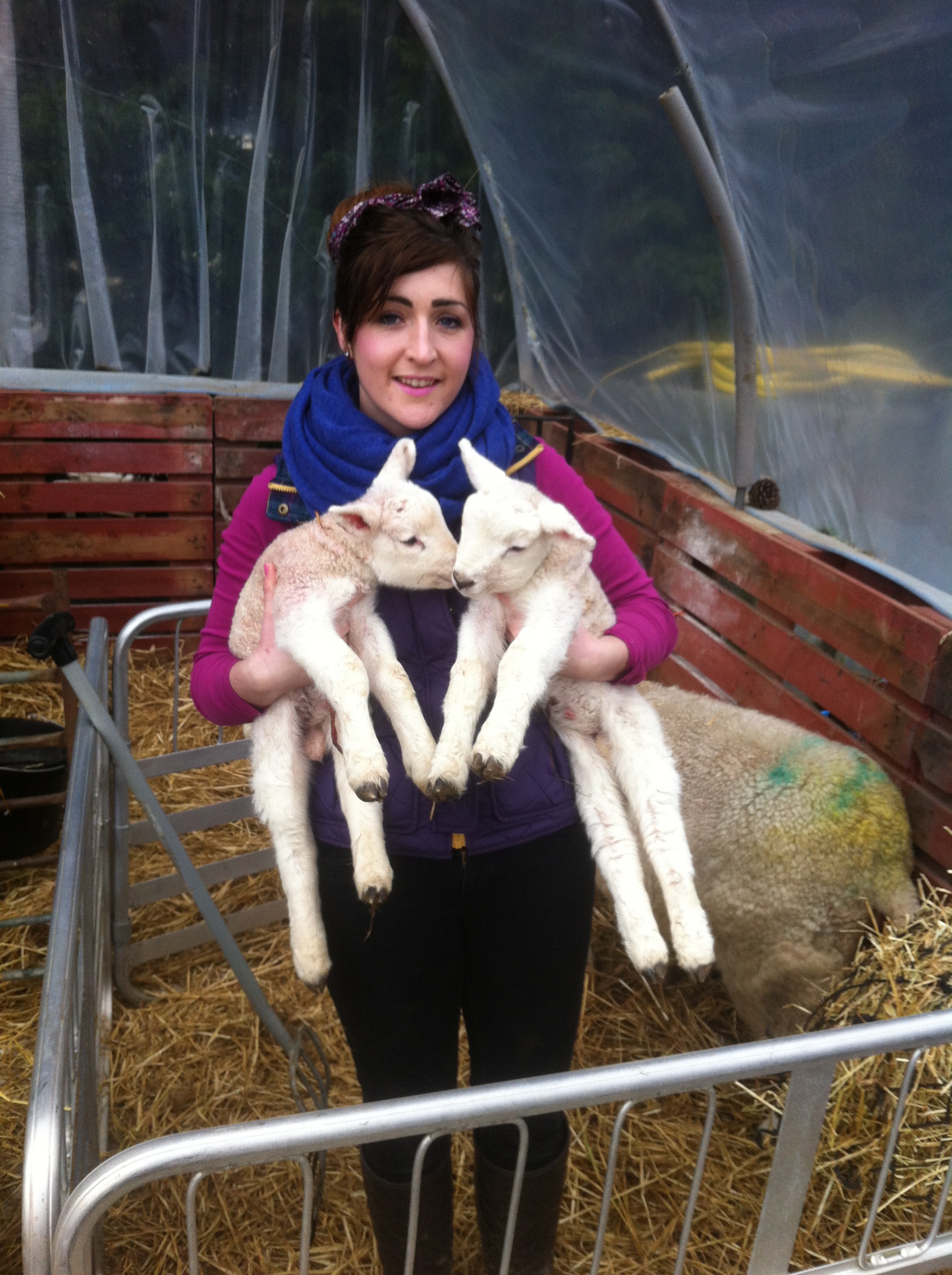
Paris had grown up in North Wales and had never been remotely close to sheep, but dating a farmer proved to be an immersive form of education. Their first date happened during lambing season. Laurent picked her up, only to discover that one of the ewes had other ideas for the evening, so he ended up delivering a lamb in the back of the sheep trailer, topless. There are gentler ways to introduce someone to agricultural life, but she stayed.
Soon, days off were being spent on the farm too, and together they built a life around animals, long days and farming’s general refusal to respect carefully made plans.
Inevitably, the proposal involved a sheep. One hot evening, Laurent collected Paris from work and announced that they had to go straight to the farm because her pet lamb, Barbara, had hurt her leg. Paris was not delighted. She had already pictured a cold glass of wine in the pub before sunset and couldn’t understand why Barbara’s leg had apparently become an emergency only after she had finished work.
When they arrived, Barbara was waiting in the sheep trailer looking perfectly healthy, with a ribbon around her neck and an engagement ring tied to it. Paris forgave them both, and the wine could wait.

By then, our lives were pretty firmly tangled up with the farm. We had sheep, chickens and a business that occupied almost every waking hour, but we were still oddly hesitant about calling it a proper farm.
It worked, certainly, but it didn’t yet feel like a place with much of a heart.
We worked seven days a week from the shipping container, then drove home at the end of it. Once we started a family, that arrangement became harder to sustain. There are only so many hours you can reasonably expect a baby to spend in a field, and very few farm jobs are improved by having a crawling toddler attached to your ankle.
We began dreaming about building a home on the farm, partly because we loved the idea and partly because family life and farm life were pulling us in opposite directions.
The problem was that a farmhouse costs money, and farming has never been famous for producing spare quantities of it. That was when our different backgrounds started to make sense together: Laurent had agriculture; Paris had tourism and hospitality. What if people could stay here while the farm remained a working farm?
It sounded obvious once we’d thought of it. Making it happen was rather less
straightforward. There were years of planning, setbacks and two young children before we finally got permission and felt the future might be taking shape, until 2020 made other plans.
Covid brought disappearing childcare, rising costs and a great deal of uncertainty. The hens remained entirely indifferent and carried on laying, so we carried on too, while quietly wondering whether the sensible thing was to sell.
As we cleared the old sheep barn and cut back the trees behind it, we started looking at the space differently. We still needed it for lambing, but for most of the year it sat there doing very little. Perhaps the farm had another life in it after all.
We made ourselves a deal: twelve more months. We would give it everything we had, open the farm up to other people and see what happened.
Six weeks later, after a heroic amount of late-night painting and some fairly frantic work getting a catering trailer ready for teas and coffees, we opened for lambing and Easter egg hunts on 16 April 2022. There was no grand launch. We told friends from school, playgroup, church and dancing, kept the groups small and ticketed, and hoped people might like spending time here as much as we did.
By the end of the Easter holidays, two families had booked children's parties, and by July, after Paris had been badgered sufficiently, Little Mornings had begun. Someone later called it “Glastonbury for toddlers”, which has always seemed about right.By then, Potage Farm had become difficult to explain in one breath. We had sheep, hens, flowers, Little Mornings, parties, events and a farm stay taking shape. Hedgerow House had originally been the name of the home we hoped one day to build, but gradually we realised it could hold everything else too. It felt like us: a family, a farm and all the slightly unexpected things that had grown out of both.
Fifteen years of farming has changed us, although not necessarily in glamorous ways. We have become farmers, hosts, flower growers, coffee makers, problem solvers and occasional sheep chasers, and we're still not sure whether getting this far is resilience or just an unusually persistent form of madness.
There have been weekends, holidays and family days out we've missed, and plenty of evenings when everyone else seemed to have finished work hours before us. Our children sometimes ask why we chose a life that involves quite so much work, and there have certainly been moments when we've wondered the same thing. We also still clean the toilets, which keeps any grand ideas about becoming hospitality magnates nicely under control.
But when we look around now, the field Laurent started with feels very different. There are sheep beyond the hedge and flowers being cut for the table, children who have grown up coming here race around the farm while their parents stop for a chat, and after all those years of driving away at the end of the day, our own home is finally becoming part of it.
Perhaps that was what we were trying to build all along: not simply a bigger business, but a family farm that could keep going, change when it needed to and still feel like ours.

2009

Potage Farm begins with sheep, chickens and plenty to figure out.
2013
Snowed in. Flasks and packed lunches crossed the fields by sleigh.
2022

The Sheepshed opens its doors.
2022

Little Mornings begins. Soon known as “Glastonbury for toddlers”.
2025
After years of trying, funding for the farm stay finally comes through.
2026
The timber frame goes up.
2027

The first Hedgerow House stays begin.
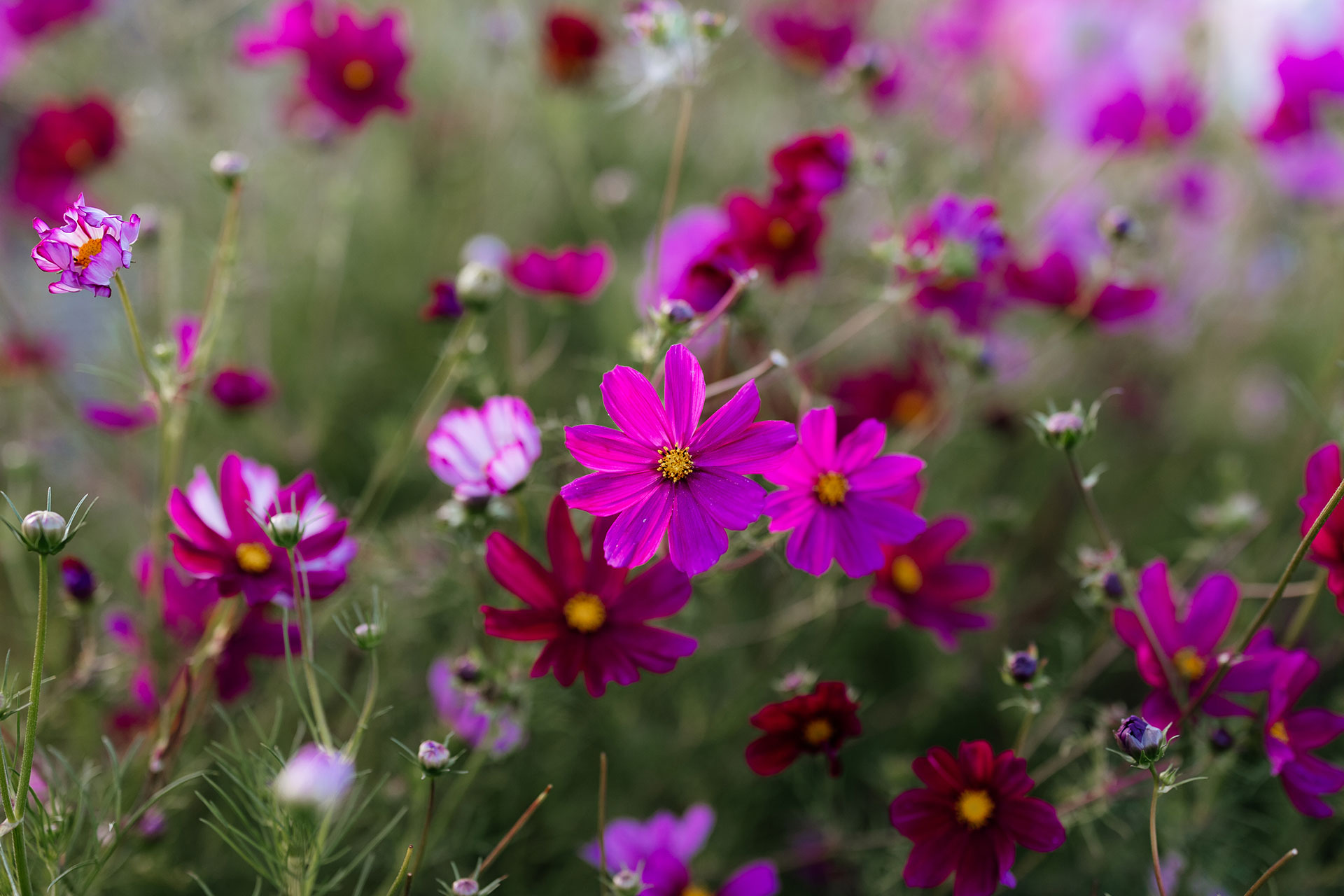
Once people started coming through the gate, other things grew around them. We added a children's allotment and then the flower farm. Little Mornings grew, parties led to events and gatherings, and the farm became somewhere people came not only to buy something, but to spend time.
Through all of it, the dream of actually living here remained. After years of trying to make the farm stay work, we finally secured funding in December 2025, and when the timber frame started going up the following summer we could at last walk around something that had existed in our heads for nearly a decade.
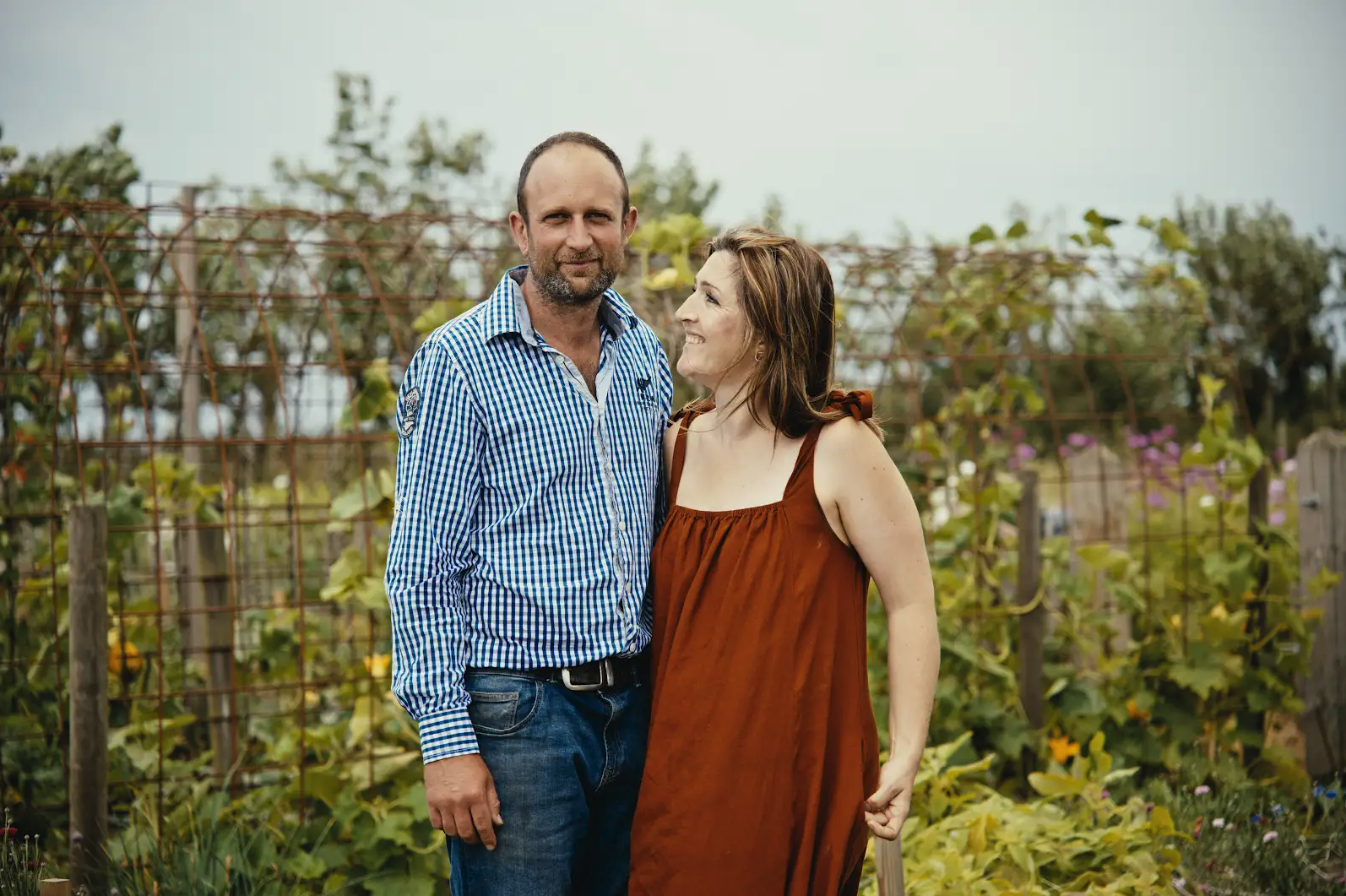

Hedgerow House had originally been the name of the home we hoped one day to build, but gradually we realised it could hold everything else too. It felt like us: a family, a farm and all the slightly unexpected things that had grown out of both.
Fifteen years of farming has changed us, although not necessarily in glamorous ways. We have become farmers, hosts, flower growers, coffee makers, problem solvers and occasional sheep chasers, and we’re still not sure whether getting this far is resilience or just an unusually persistent form of madness.
There have been weekends, holidays and family days out we’ve missed, and plenty of evenings when everyone else seemed to have finished work hours before us. Our children sometimes ask why we chose a life that involves quite so much work, and there have certainly been moments when we’ve wondered the same thing. We also still clean the toilets, which keeps any grand ideas about becoming hospitality magnates nicely under control.
But when we look around now, the field Laurent started with feels very different. There are sheep beyond the hedge and flowers being cut for the table, children who have grown up coming here race around the farm while their parents stop for a chat, and after all those years of driving away at the end of the day, our own home is finally becoming part of it.
Perhaps that was what we were trying to build all along: not simply a bigger business, but a family farm that could keep going, change when it needed to and still feel like ours.



Join the list for gentle updates. No noise, just the good things as they grow.

